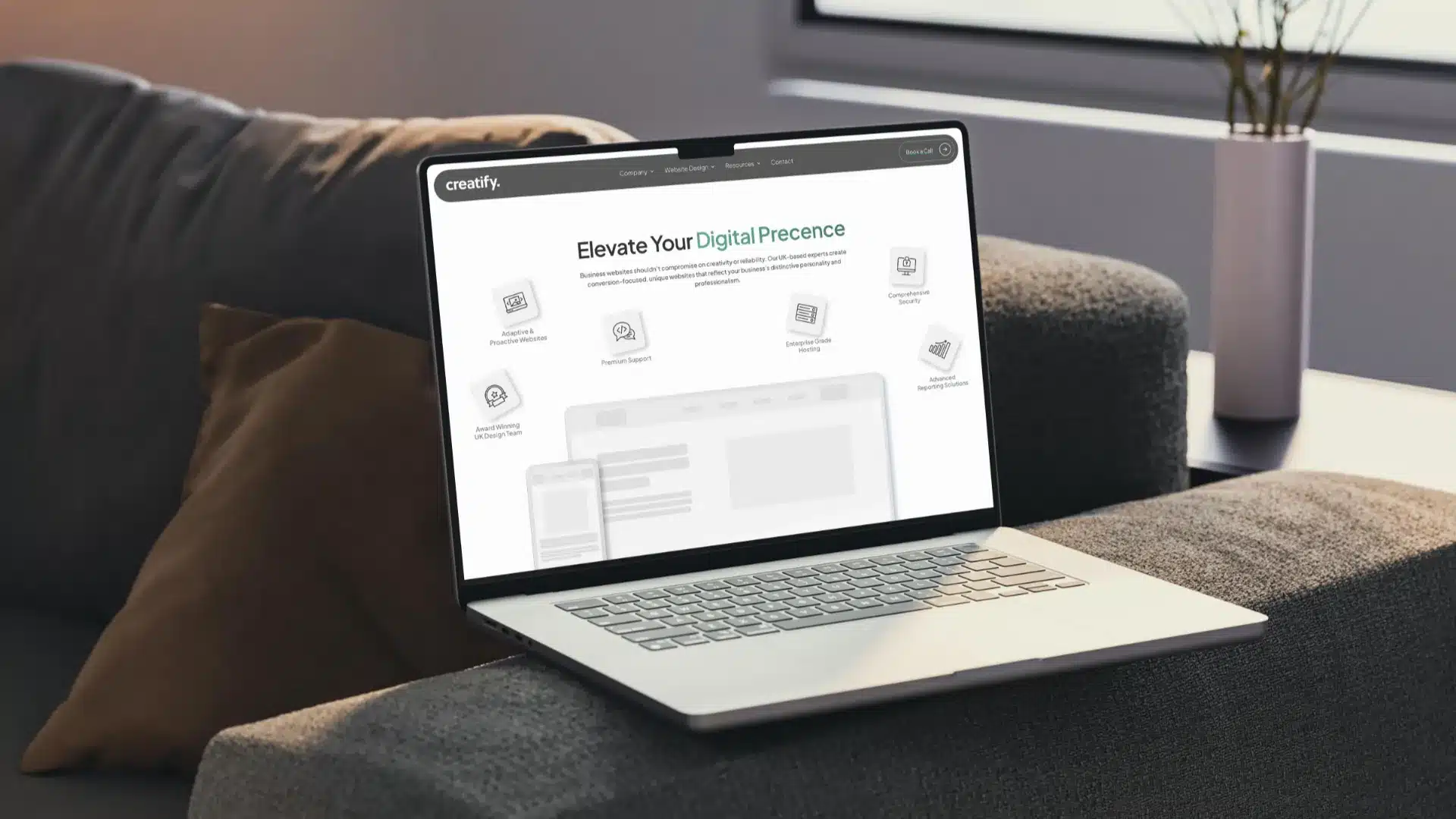
For professional service firms, a website isn’t just a showcase of expertise — it’s a first impression and a critical touchpoint in the client journey. Prospective clients often make decisions within seconds, assessing whether your firm seems credible, professional, and approachable.
Conversion optimisation is about guiding visitors from interest to action, ensuring they feel confident enough to reach out — whether that’s submitting an enquiry, booking a consultation, or downloading a resource. In this guide, we’ll explore what clients expect from professional services websites before they take that step and how to optimise for conversions effectively.
Understanding the Modern Professional Services Client
Today’s clients are informed, discerning, and time-conscious. They visit your website to answer key questions before contacting your firm:
- Credibility: Are you experienced, qualified, and trustworthy?
- Clarity: Do you clearly communicate your services and value proposition?
- Ease of Contact: Can I get in touch quickly and without friction?
- Reassurance: Are there testimonials, case studies, or proof points demonstrating success?
Failing to address these expectations can lead visitors to competitors’ websites, even if your firm offers superior expertise.

Key Conversion Optimisation Considerations
While the technical details of forms or layouts are managed by specialists like Creatify, the strategic focus should be on designing a website that naturally encourages conversions. Key areas include:
1. Clear Value Proposition
Your website should immediately answer: “Why should I choose this firm?”
- Highlight key services and differentiators upfront
- Use concise, client-focused language
- Include visual cues such as banners or feature sections to draw attention
2. Trust Signals
Clients expect reassurance before making contact:
- Testimonials and client logos
- Case studies or success stories
- Professional accreditations or awards
3. Frictionless Navigation
Visitors should find what they need without effort:
- Logical menus and clear headings
- Minimal clicks to reach contact points
- A structured flow from information to action
4. Strategic Calls-to-Action (CTAs)
CTAs should feel helpful rather than pushy:
- “Request a consultation” or “Discover how we can help”
- Positioned naturally within the content
- Clear benefit communicated — why the client should click
5. Mobile and Performance Optimisation
A slow or poorly designed mobile experience can destroy conversions:
- Fast page load speeds
- Responsive layouts for all devices
- Easy access to contact information on smaller screens

Why WaaS Supports Conversion Optimisation
For professional services, optimising conversions isn’t a one-off task — it’s continuous. With Creatify’s Websites-as-a-Service (WaaS) model:
- Websites are regularly updated to reflect client needs, service changes, or evolving best practices.
- UX and layout improvements are monitored and refined based on visitor behaviour and analytics.
- Strategic adjustments are made without the client lifting a finger, ensuring a seamless, high-converting experience.
This approach allows firms to focus on delivering services while the website continues to generate enquiries and reinforce credibility.
Summary
Conversion optimisation for professional services is about understanding client expectations and reducing friction on the path to contact. Key takeaways:
- Clients seek credibility, clarity, reassurance, and ease of contact.
- Strategic layout, trust signals, and clear messaging improve conversions.
- Continuous optimisation ensures your website evolves with client needs.
- A WaaS model provides professional, hands-off support to maintain high-performing websites.
Ready to make your website work harder for your firm? Discover how Creatify can help you optimise your website to convert visitors into valuable clients — effortlessly and efficiently.