For professional service firms, credibility is everything. Clients don’t just hire expertise—they hire trust. And in the digital age, your website is often the first point of contact and the lens through which prospective clients judge your professionalism, reliability, and competence.
A well-designed website isn’t just visually appealing — it signals authority, builds confidence, and encourages engagement. In this blog, we’ll explore how design elements, content, and user experience work together to create a credible online presence for professional services, charities, and tech firms.

Why Trust Matters Online
Before reaching out, potential clients are evaluating:
- Professionalism: Does your firm appear competent and established?
- Reliability: Can I rely on your services to meet my needs?
- Transparency: Is the information clear, accurate, and easy to find?
- Social Proof: Have others had positive experiences with your firm?
If these elements are missing, visitors may hesitate to contact you, even if your expertise is unmatched. Trust isn’t built with words alone — it’s communicated through design, structure, and content.
Key Design Principles That Build Credibility
1. Clear and Professional Visual Identity
A consistent, high-quality design reflects attention to detail:
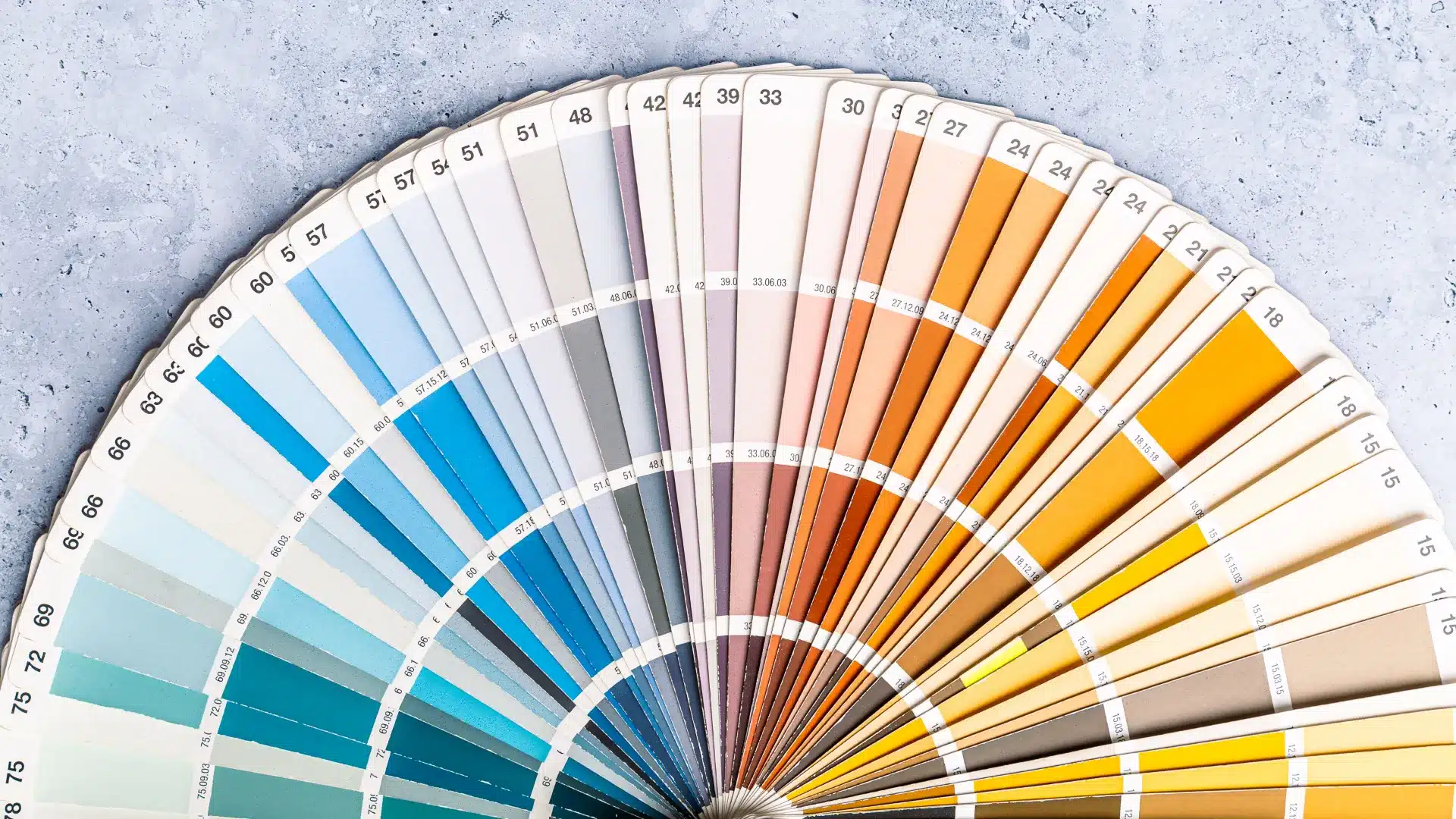
- Use a cohesive colour palette and typography that aligns with your brand.
- Incorporate professional imagery such as team photos, office environments, or client interactions.
- Avoid clutter and overly complex layouts — simplicity conveys clarity and competence.
2. Strategic Content Placement
Content should guide visitors while reinforcing authority:
- Highlight key services and differentiators above the fold.
- Use case studies, testimonials, and client logos to show real-world results.
- Present information in digestible sections with headings, bullet points, and clear calls-to-action.
3. User Experience That Inspires Confidence
A seamless UX communicates reliability:
- Fast page load times and responsive mobile design demonstrate efficiency and modernity.
- Intuitive navigation ensures visitors can find the information they need quickly.
- Accessible design signals inclusivity and attention to detail — traits clients value in professional service providers.
4. Transparency and Proof
Trust is reinforced when clients can verify your claims:
- Display professional credentials, certifications, or awards.
- Share client success stories or testimonials with real metrics where possible.
- Provide clear contact options to reduce friction in reaching out.
How WaaS Enhances Trust-Building Design
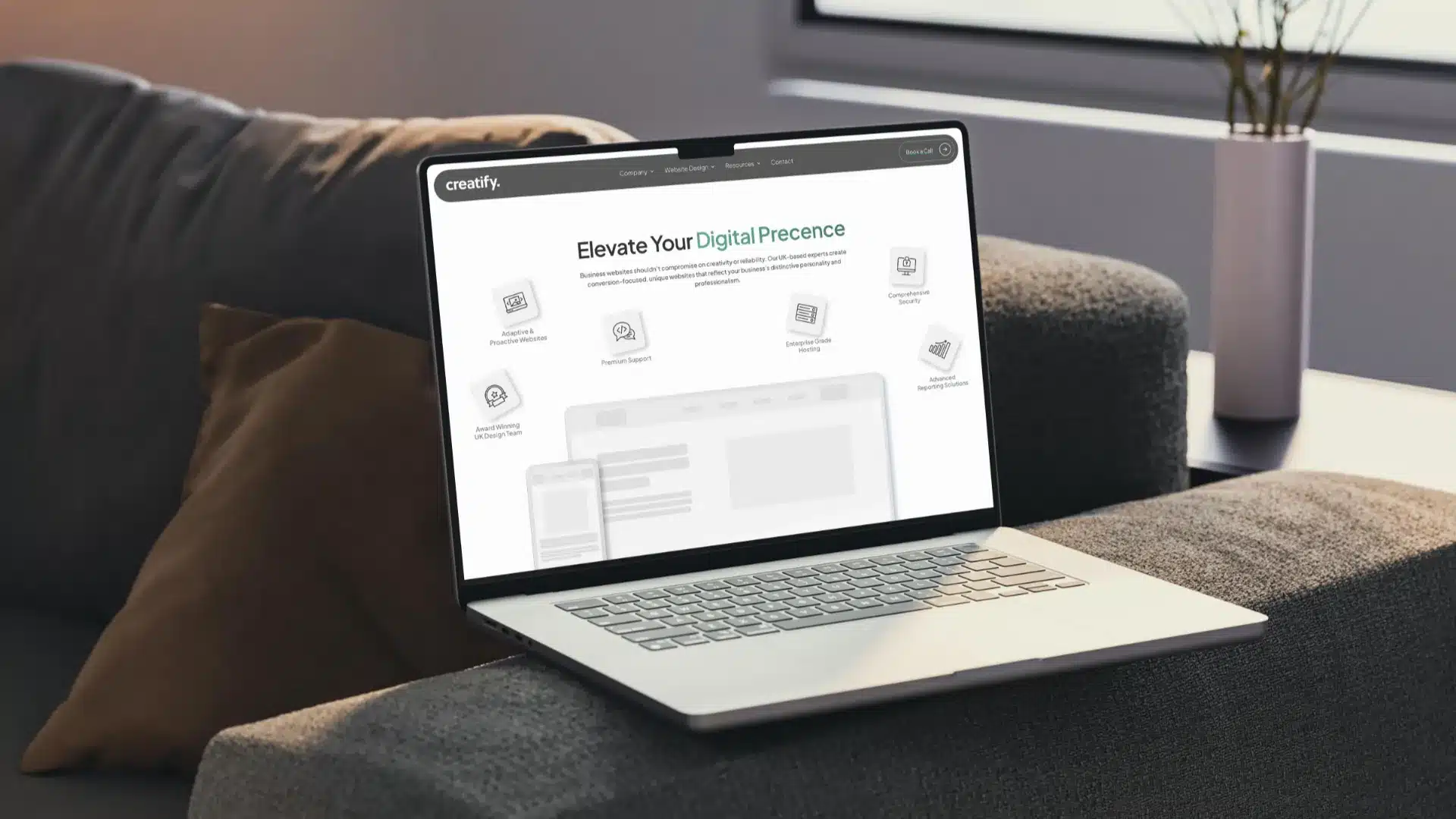
Building a credible website is not a one-off project — it requires continuous updates and optimisation. With Creatify’s Websites-as-a-Service (WaaS) model:
- Design and content are continually refined to reflect evolving brand and client expectations.
- UX improvements are monitored and optimised, ensuring a seamless experience across devices.
- Trust-building elements like testimonials, case studies, and proof points are kept current and effective.
This ongoing approach allows professional services to maintain a premium, credible online presence without diverting internal resources.
Summary
Trust is the foundation of professional relationships, and your website is the first opportunity to demonstrate it. To build credibility online:
- Maintain a clear, professional visual identity.
- Strategically place content that reassures and informs.
- Provide a seamless, intuitive user experience.
- Reinforce claims with transparent proof and social validation.
- Continuously optimise with WaaS to keep your credibility strong over time.
Looking to create a website that inspires confidence from the first click? Discover how Creatify can help your firm maintain a credible, premium online presence while you focus on delivering exceptional service.